
The Latest News in Plastic

As we take a closer look at packaging to ensure it’s plastic-free, an element to consider is one that sometimes gets overlooked – tape.
Tape is a necessary component of packaging in many cases and can be confusing to figure out what the best eco-friendly version is to use. From materials to adhesion, every aspect has to be considered.

There’s no denying that the speed and convenience of e-commerce shopping is a game-changer, especially during the pandemic when brick-and-mortar stores are inaccessible. However, as consumers, we need to understand the environmental cost of online retail, particularly when it comes to packaging.
During the pandemic, online purchases and returns are surging like never before. Since March of 2020, corrugated box shipments have jumped 9 percent according to the Fiber Box Association. Technavio, a market research firm, estimates that demand for filled-air products is poised to swell by $1.16 billion between 2020 and 2024 because of the spike in online sales.
Currently, less than 14 percent of the nearly 86 million tons of plastic packaging produced globally each year is recycled. The majority of it is left for landfills, incinerated, or left to pollute the earth.

More than 50% of all plastic thrown out is packaging. Single-use plastic has become a scourge on our planet in the past 60 years. It’s cheap to make and widely considered to be hygienic and time-saving. Unfortunately, one of the qualities that makes it valuable also makes it extremely detrimental to the health of the planet: its durability. Plastic is estimated to last anywhere from 450 years to forever.
Nearly every piece of plastic ever made is still with us and every piece we manufacture adds to the problem. Creating it involves fossil fuels, which aren’t so great for our atmosphere. When plastics enter rivers and the ocean they slowly leach chemicals into the soil and water, harming the health of our entire ecosystem.
This is why it’s so important to seek out alternatives to plastic packaging. But what are these options exactly? Here are a few to consider when looking to take your packaging in a plastic-free direction:

Every brand’s journey to eliminate plastic is unique. Whether it is born out of the inspiration to eliminate a plastic need, or it evolves into wanting to reduce use altogether, all roads can be challenging.
Coconut Bowls’ journey is no different. They are on a mission to replace plastic with natural products and in doing so inspire a healthy and sustainable lifestyle. The story of Coconut Bowls began when Australian digital nomad Jake McKeon was on a surfing/backpacking journey. During this trip, he witnessed the enormous amount of plastic pollution everywhere he traveled: on the beaches of Central America, down the coast of Southern California, and all around Europe.

Last month, the Plastic Free July initiative urged people to join a global movement to rethink habits and boycott single-use plastic. Many tips were posted and information was spread on the dangers of plastic throughout the month, but the plastics fight shouldn’t slow down just because July is over.

SeaHive is proud to announce our collaboration with Breeze Bag, a Kickstarter-funded project that redefines the classic beach bag. For this partnership, SeaHive helped Breeze Bag review their packaging processes and materials, and specify zero-plastic packaging solutions for their product.

SeaHive is proud to announce our collaboration with Breeze Bag, a Kickstarter-funded project that redefines the classic beach bag. For this partnership, SeaHive helped Breeze Bag review their packaging processes and materials, and specify zero-plastic packaging solutions for their product.

As the pandemic continues to demand necessary equipment such as surgical masks, gloves and protective equipment, COVID19 has amplified another ongoing crisis... plastics.

SeaHive’s sister company, Pakt, launched the Pakt Coffee Kit over the summer, and it is now making its way to backers around the world. The Pakt Coffee Kit is everything you need to make barista-quality coffee in one sleek, portable package. The packaging that houses the kit is 100% plastic-free thanks to the design by Pakt & SeaHive.
It’s been a while since you’ve heard from us, and there’s a good reason for that. Over the last year, we’ve taken a look at our role in the sustainable packaging industry to ensure that we are having the most impact possible. Our mission is still the same: To empower companies to reduce single-use plastic in their packaging. However, we believe that our greatest strengths lie in our ability to make meaningful connections in this space, and to help educate and inform others based on our experience.

Jeff Bezos announces $10 billion investment to fight climate change; Greenpeace publishes study showing that common plastic items may not be labeled properly; the EU considers using revenues from plastic tax to make up for Brexit financial loss; France, South Korea, and Ireland take measures to reduce waste; Companies are paying more attention to how their packaging makes customers feel; and more.

The Super Bowl successfully diverts all its waste away from landfills; Nike designs most sustainable line yet for the 2020 Olympics; New Zealand removes all plastic packaging from supermarket fruits and vegetables; Scientists create strong, bio-based plastic alternatives from silk; U.S. hits record low for recycled fiber exports; and more.

Tokyo 2020 aims to be the greenest-ever Olympic Games; The Australian Open features tennis nets made from recycled plastic; Adidas makes a turf field entirely from recycled plastic bottles; Chipotle converts plastic gloves to trash liners; People in China get creative with protection from the Coronavirus, including using plastic bottles; and more.

Malaysia sends back 150 shipping containers of plastic waste to Western countries; China announces plan to ban all single-use plastics; oil companies ramp up plastic production; Designer Masaba Gupta designs garments with built-in shopping bags; and more.

Investors pour billions of dollars into alternative plastics; Taco Bell announces goal to make all packaging recyclable, compostable, or reusable; Technologies develop for processing non-sorted recyclables, and for plastics-to-hydrogen facilities; Kenya has world’s strictest plastic bag ban; BBC to launch series on climate change; and more.

Thai consumers get creative with their shopping bag alternatives; Harry Potter stars team up to talk environmental activism; BPA alternatives may be as hazardous as BPAs; Vogue Italy commissions artists to illustrate their latest issue to reduce their carbon footprint; and more!

HAPPY NEW YEAR! This week, plastic bans have gone into effect around the world; Reuters created visual aids to show us how much plastic we consume; Dezeen’s top ten innovative materials of 2019; and more.

Petrochemical companies pour billions of dollars into new plastic-generating plants; 450,000 people petition for Target to ban plastic bags; plastic rain is becoming more common; a list of the coolest sustainability innovations of 2019, and more.

Jenga launches game made from recycled fishing nets; China tightens regulations on agricultural “plastic mulch;” first nationwide coffee cup recycling program launched in Ireland; Dunkin’ Donuts finally moves away from styrofoam in New England; and more.
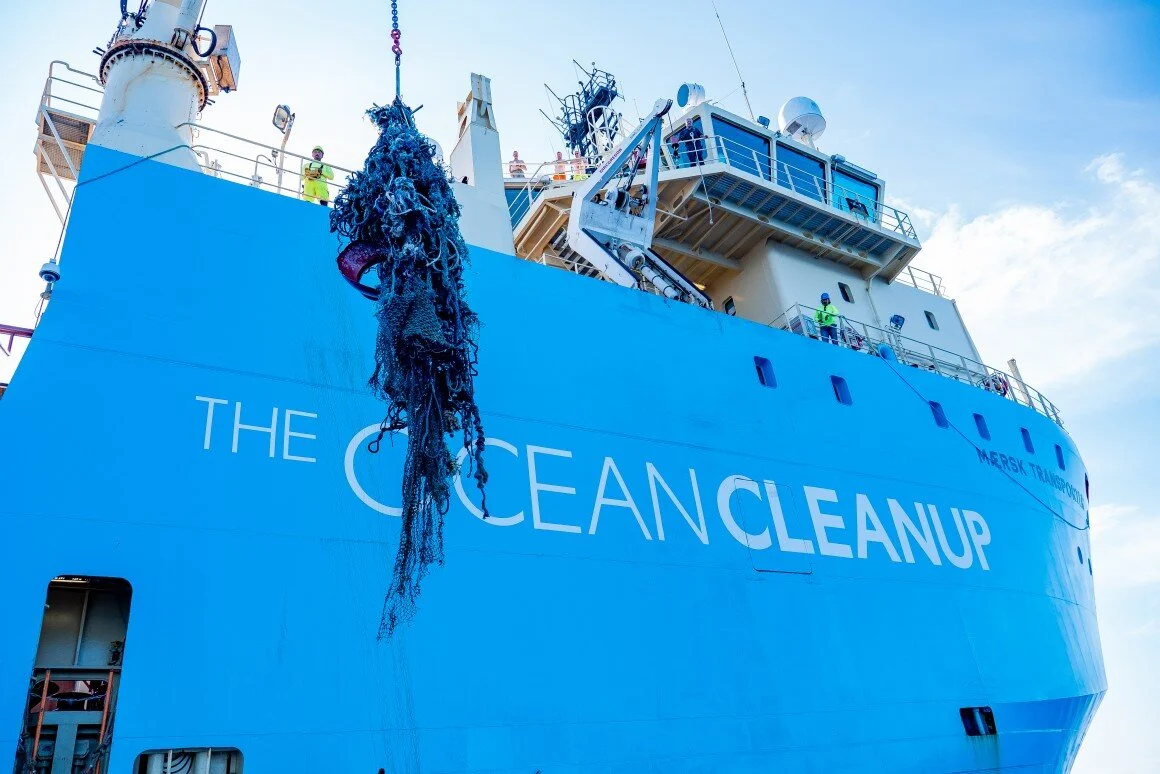
The Ocean Cleanup brings in its first haul of ocean plastics; Congress creates a Plastics Solutions Task Force; a botanical garden in North Carolina showcases a holiday display entirely from waste; and more.

Jose Cuervo uses agave waste for biodegradable straws, Ford and McDonald’s use coffee waste for car parts, half-a-million hermit crabs die from plastic pollution on remote islands, retirees turn plastic bags into mats for the homeless, and more.
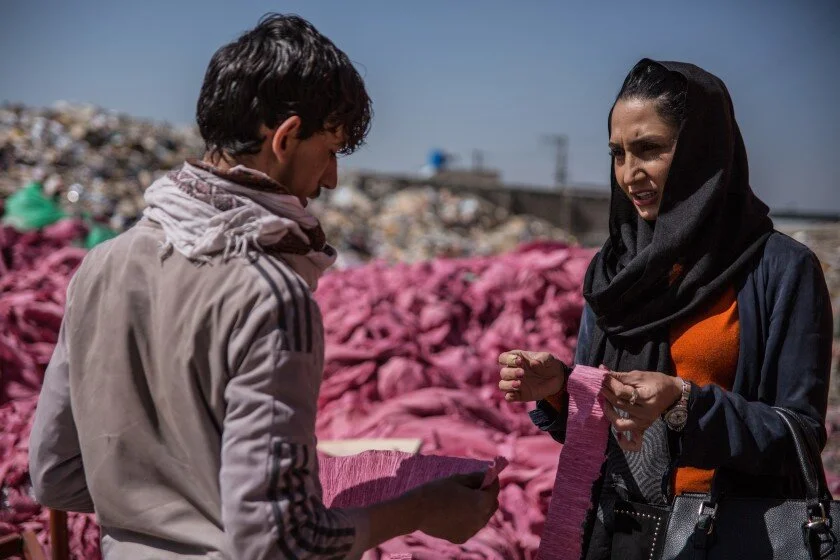
Coldplay postpones concerts until they can find a way to make them sustainable; First Afghan woman starts a recycling center in Kabul; Two NYC designers create a plastic-free coffee cup; Scotland gives out free menstrual cups to reduce single-use plastics; AND MORE.

There’s a lot happening in plastic news right now. Read the highlights from this week here.

There’s a lot going on in the environment these days, especially with regard to plastic pollution. To help you stay in the loop, here are some of the highlights that we came across this week.

Meet Weldon Wade, one of the most active environmentalists we’ve met. A commercial diver by trade, Weldon work with ocean advocacy groups, runs a number of marine events, and has big plans for an upcoming National Geographic Open Explorer Program.


Nearly one month ago, a group of scientists, journalists, filmmakers, and artists boarded a research vessel and headed toward the blue waters and endless horizon of the Pacific Ocean. Clipboards in hand, this team set out to research, document, and clean up the world’s most polluted beach. Although it is in one of the most remote places in the world, Henderson Island’s East Beach was known to have had the highest density of debris of any beach in the world. That was, until this expedition.

Travel 3,400 miles off the Chilean coastline to the middle of the Pacific Ocean, and you’ll see where the world has been hiding its dirty little secret. Henderson Island, one of the four Pitcairn Islands, is a UNESCO World Heritage Site that is almost never visited by people. There are no human inhabitants, no industrial facilities. The nearest settlement is on an island 71 miles away with a total population of 40. In fact, the Pitcairns are so small, their government is based in New Zealand, over 3,000 miles to the southwest. Yet despite its extreme isolation, this tiny, uninhabited island is home to the most polluted beach on the planet.